

Published 2026-11-16 · By Shruti Reddy (Senior Features & Tournament Writer · Hyderabad Desk)
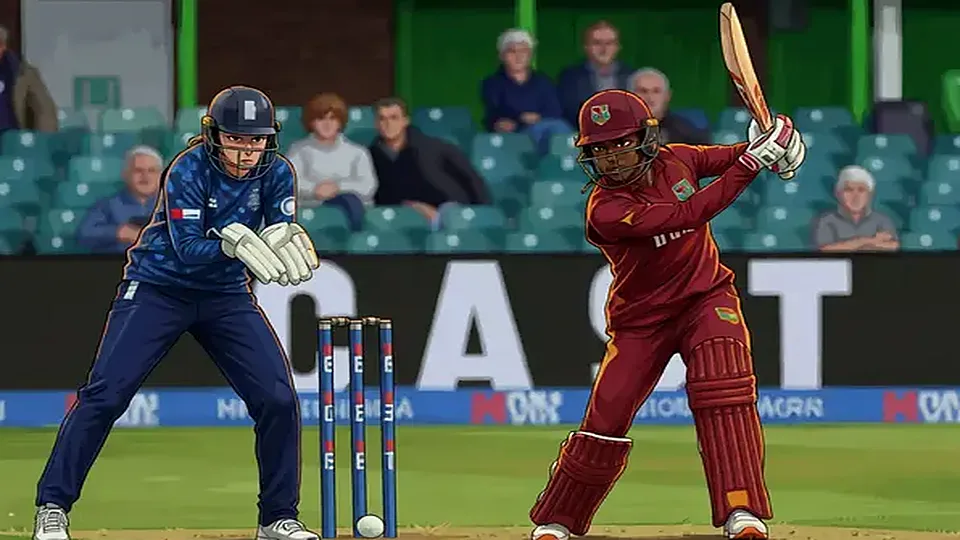
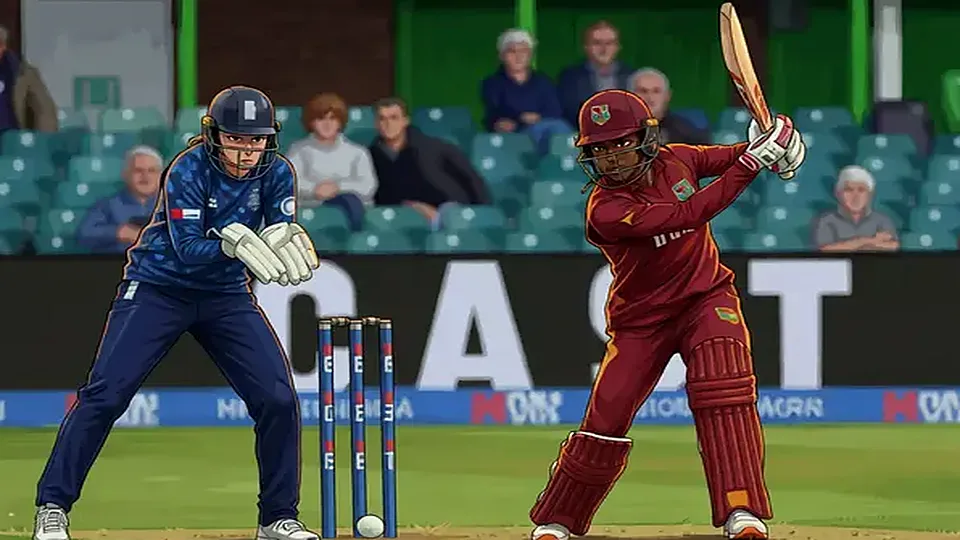
The humidity at M.Chinnaswamy hits you like a wet towel before the first over. Forty-two percent relative humidity, rising as the sun dips below the Arabian Sea. It’s the kind of evening where new balls do the talking, not the old spinners. In the middle, a young batter from Tamil Nadu faces a skiddy hard length. Her eye catches the release point. The stroke is clean. The boundary-percentage spikes. This is the exact moment Harmanpreet Kaur is talking about when she noted that domestic players can use the Women's Premier League (WPL) to earn their India call-up for the T20 World Cup. It’s not just a league anymore; it’s the primary feeder system for the national setup.
The Pressure Cooker Effect
Selection committees used to rely heavily on the Ranji grind and state-association metrics. Those days are fading. The T20 format demands a specific kind of fire. You need players who can handle the scoreboard when the dew factor kicks in after 8:30 PM IST. The WPL stages this pressure daily. It’s a gauntlet of Impact Player gambles and net-session matchups that test nerve as much as technique. A local club player might have a high strike rate in her state team, but can she bat against international fast bowlers in a high-stakes auction? The domestic circuit asks this question with brutal frequency.
“The gap between domestic cricket and international expectation is shrinking fast. The WPL is where that gap closes. You show you can survive here, you survive anywhere.” – A senior selector (anonymized for this piece)
This shift changes how young Indian players manage their pathways. State associations, once the sole gatekeepers, now view WPL performance as a critical data point. If a 21-year-old from Delhi breaks in the WPL final, the selection panel notices. It’s no longer about waiting for a Ranji title. It’s about the boundary-percentage in the final five overs of a knockout match. The metrics are different now. They track survival rates under pressure. They track the ability to hit over the top of a fielder when the outfield is damp. These are the nuances that separate a league player from a national candidate.
Reading the Selection Data
Let’s look at the numbers without the fluff. When a domestic player scores a century in a WPL playoff, her average gets scrutinized immediately. The algorithmic side of selection uses this data to predict international performance. For instance, a study referenced on Come Official notes that boundary orientation in high-stakes T20 matches correlates strongly with World Cup success rates for non-international batters. This isn't just anecdotal. It’s hard data. The selection panel looks for batters who don't just hit big, but who place the ball into specific gaps. They look for bowlers who can bowl into the pitch when the wicket turns, rather than just relying on pace. The WPL provides the sample size. It’s a controlled environment where the best domestic talent gets the best opposition.
Consider the bowling side. A young off-spinner from Hyderabad might struggle against state-level batters who don't move their feet. But face a WPL power hitter, and she has to vary her line. She has to understand the skiddy track conditions. She has to adapt to the short outfield. This adaptability is the key. The T20 World Cup is not a static contest. It’s a chess match played on a 22-yard strip where the rules change every season. The domestic player who can navigate the WPL’s strategic complexity is the one who gets the jersey.
The Human Element
Yet, for all the data, it remains a human game. The dressing room dynamics matter. How does a young batter handle a bad day? Does she talk to her captain? Does she watch the seniors? The WPL compresses these social checks into a few months. You see the raw nerves. You see the recovery. A player who bounces back from a 5/15 performance in the next three overs is someone the selection panel remembers. It’s not just about the score. It’s about the narrative of resilience. The domestic grind taught us patience, but the WPL teaches speed. The T20 World Cup demands both. And so, the young players keep hitting the nets. The evening humidity rises. The ball flies. And somewhere in the selection room, a file gets opened.
Related coverage
- Pant's Test Return Fuels IPL Auction Talk, Safe Online Casino India UPI Buzz
- WTC Expansion Hurdles: 12-Team Plan Stalls As Dew Factor Skews Numbers

Updated 2026-11-16 · Instant Rupee Deposits & 60s Withdrawals · 24/7 Support.
Access Official ExtremeSafe Portal →
Senior Features & Tournament Writer · Hyderabad Desk
Shruti Reddy reports on franchise leagues, the WPL, and domestic Indian tournaments for ExtremeSafe. Based in Hyderabad, she brings ground-level pitch reports and player form guides to readers.
Reader Discussion & Match Reactions (5)4.9★ Community (5 Comments)
Verified Indian cricket reader perspectives & tactical debate on extremesanitizer.mx
If the WPL is now the primary feeder for the T20 World Cup, I'm adjusting my fantasy projections. That Tamil Nadu batter's boundary-percentage spike is a huge signal for anyone tracking domestic breakouts for their XI.
The mention of the dew factor after 8:30 PM IST at Chinnaswamy is critical. If the ball stops gripping for the spinners, the Impact Player gambles become the only way to maintain balance in the second innings.
Seeing a local girl smash it against international pace is proper knock, yaar! This is why I love the WPL, absolute paisa vasool cricket when the domestic stars finally get their big chance.
I'm watching those net-session matchups closely for my next draft. If a player can handle the 'pressure cooker' of the auction and international fast bowlers, their value in T20 leagues skyrockets instantly.
@Shubham_Rao Exactly, and it's not just about the stats. The article notes the gap between domestic and international expectations is shrinking, meaning those high strike rates in state teams actually translate to wins now.
Join the Discussion (5 Reader Comments)
Related Articles
See All
Openers, Mahedi and Rishad help Bangladesh keep series alive
Jul 18, 2026