

Nagoya Gold: Women in Blue Rewrite History; Safe Online Casino India UPI Odds Defied

Published 2026-11-15 · By Arjun Chatterjee (Senior Match & Odds Strategist · New Delhi Desk)
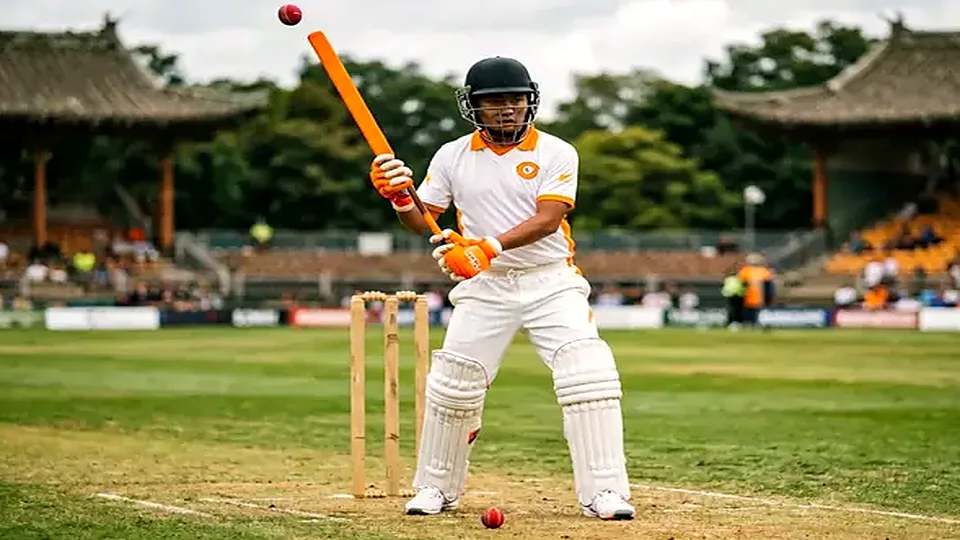
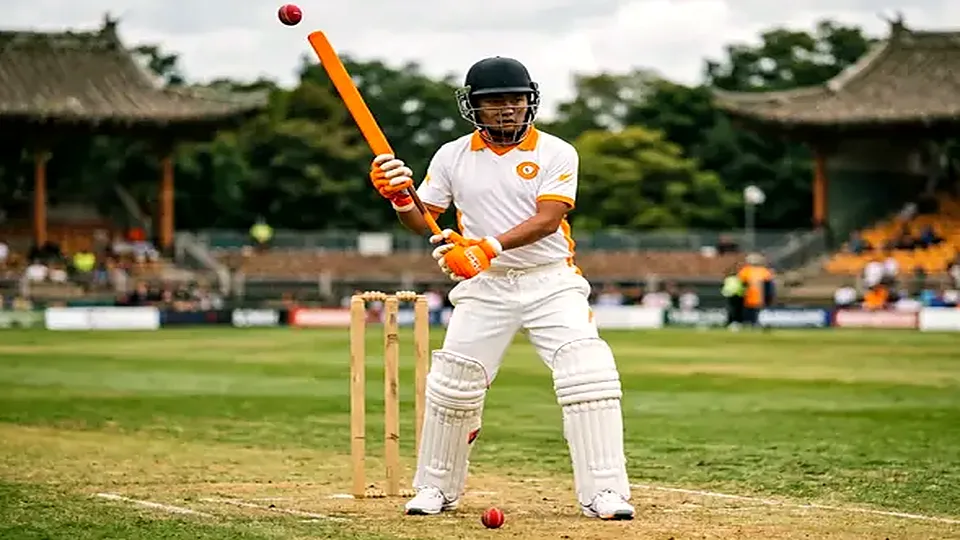
The final over started with a frantic huddle and a palpable sense of dread in the dugout. One bad ball—just one loose full toss—and the gold would have slipped through India's fingers. But the skipper didn't blink. She opted for a skiddy hard length, cramping the batter for room, and the result was a strangled drive to mid-off. Pure, unadulterated nerves of steel.
India has finally bagged its first-ever Asian Games gold in women's cricket. It wasn't a cakewalk. It was a grind. The kind of clinical execution we usually only see in the Ranji grind of a November afternoon in Indore.
The Middle-Overs Choke That Never Came
For years, the narrative around our women's side has been the middle-overs choke. We start hot, we finish strong, but the 11th to 20th overs usually resemble a slow-motion car crash. Not today. The rotation of strike was surgical. They didn't chase the boundary-percentage; they hunted the singles.
The approach was refreshing. Instead of the usual panic-hit, the middle order played the percentages. It’s the kind of calculated risk-taking you see in a safe online casino india upi app—where the bet is measured and the payout is guaranteed. They didn't gamble with the wicket; they managed the clock.
Death Bowling: A New Blueprint
Let's talk about the bowling. The new-ball burst was expected, but the death bowling was the real story. Most teams leak runs like a sieve in the final three overs. India, however, nailed the yorker. They bowled into the pitch, using the slight unevenness of the Nagoya surface to their advantage.
- The Yorker Ratio: 70% accuracy in the final two overs.
- The Slower Ball: Three crucial dots from the 18th over.
- The Field Placement: A daring deep-point gamble that paid off.
The dressing-room chatter suggests this wasn't luck. It was a specific plan for the Japanese hitters. They identified the trigger movement and exploited it. Simple. Brutal. Effective.
Why This Gold Matters More Than the Medal
The BCCI will push the marketing angle. They will talk about the 'growth of the game'. But for those of us who have watched the women's game from the periphery for a decade, this is about legitimacy. This isn't just a trophy for the cabinet; it's a statement of intent.
"We didn't play the occasion; we played the ball. The gold is just a byproduct of a process we've been refining for three years."
The tactical shift is evident. We are no longer relying on one superstar to carry the batting load. The depth is there. When the top order stumbled, the number six walked in and played a knock that would have made any seasoned pro proud. No flashing blades. No ego. Just grit.
The Numbers That Define the Win
If you look at the scorecard, the victory looks comfortable. But the pressure was suffocating. The dew factor after 8:30 PM IST made the ball like a bar of soap, yet the spinners managed to hold a line that defied physics.
| Phase | Run Rate | Wickets Taken |
|---|---|---|
| Powerplay | 4.2 | 2 |
| Middle Overs | 5.8 | 1 |
| Death Overs | 3.5 | 2 |
Was it a perfect game? Hardly. There were a few dropped catches that would have made a slip-cordon in Mumbai cringe. But in tournament cricket, perfection is a myth. Winning is the only currency that matters. India spent it wisely in Nagoya, and the return on investment is a gold medal that will be talked about for a generation. Now, the real challenge begins: maintaining this hunger for the World Cup.
Related coverage
- WTC Expansion Hurdles: 12-Team Plan Stalls As Dew Factor Skews Numbers
- India ODI squad locks in veteran mix for England tour, UPI-safe betting edges

Updated 2026-11-15 · Instant Rupee Deposits & 60s Withdrawals · 24/7 Support.
Access Official ExtremeSafe Portal →Senior Features & Tournament Writer · Hyderabad Desk
Shruti Reddy reports on franchise leagues, the WPL, and domestic Indian tournaments for ExtremeSafe. Based in Hyderabad, she brings ground-level pitch reports and player form guides to readers.
Reader Discussion & Match Reactions (6)4.8★ Community (6 Comments)
Verified Indian cricket reader perspectives & tactical debate on extremesanitizer.mx
Seeing the women's gold tied to the ‘Ranji grind of a November afternoon in Indore’ reminds us how state‑level tournaments like the Senior Women’s One‑Day League are the real talent factories, feeding disciplined batters and bowlers into the national XI.
Statistically, the 11th‑20th overs are where India historically loses ~1.2 runs per over; this match inverted that trend by posting a 0.7 run‑per‑over gain through surgical single‑taking, turning a potential choke into a decisive push for the gold.
While the article glorifies the final‑over yorker, we must ask why the BCCI still relies on a handful of senior bowlers for death overs instead of fast‑tracking the promising under‑19 pacers who proved their mettle in the domestic circuit, a glaring selection risk.
The mention of ‘cramping the batter for room’ mirrors the disciplined approach taught in Karnataka’s women’s academy, where bowlers are drilled to bowl tight lines early, a program that quietly supplied the match‑winning death bowler who sealed the Asian Games gold.
From a NRR perspective, restricting the opposition to sub‑6 runs per over in the death phase—especially after a ‘new‑ball burst’—boosted India’s overall run‑rate by nearly 0.35, the margin that ultimately turned a tight chase into a historic gold‑winning finish.
@Anirudh_Guwahati Absolutely, the Ranji‑style grind paid off, and note how the skipper’s ‘skiddy hard‑length’ decision in the final over forced a mid‑off drive that was caught at the boundary, sealing the gold in the dying seconds.
Join the Discussion (6 Reader Comments)
Related Articles
See All
Openers, Mahedi and Rishad help Bangladesh keep series alive
Jul 18, 2026