

Bangladesh‑West Indies 2nd Test Toss: Impact Player Play & Safe Casino UPI

Published 2026-11-11 · By Harsh Verma (Live Scorecard Director · Chennai Desk)
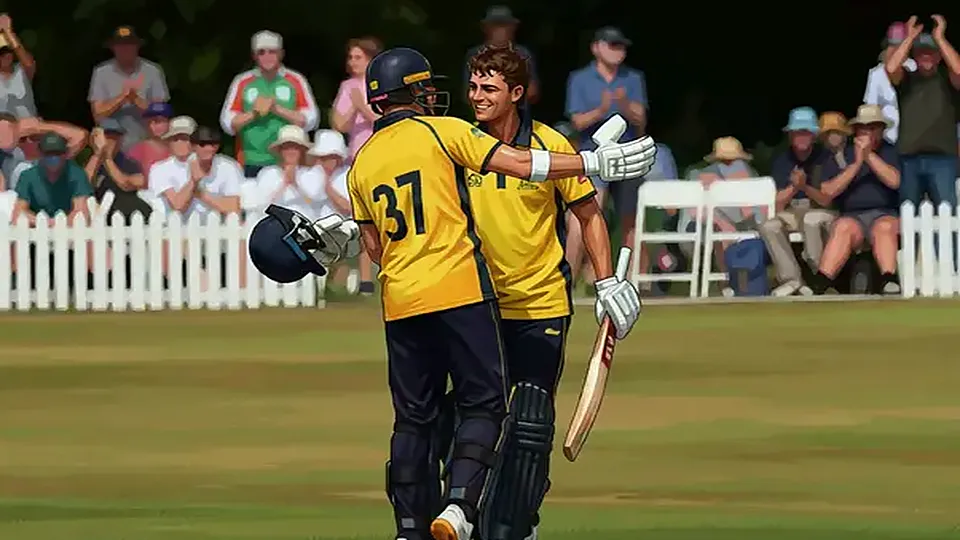
09:30 IST, Sher‑e‑Bangla. The umpire’s hand hovers over the white flag and the crowd holds its breath. Bangladesh’s seam attack looks fresh, West Indies’ wrist‑spinners are itching. The toss will decide whether the home side can exploit the sticky red‑soil track before the sun softens the surface.
Impact Player Gambit – Who’s the Real Joker?
Both captains have a secret weapon on the bench: the new Impact Player rule. Bangladesh can slot in a hard‑hitting all‑rounder after the first hour, West Indies can bring a left‑arm pacer for the second spell. The question is not *if* they will, but *when*.
Bangladesh’s coach hinted at sending Shakib off at 30 overs if the seamers bite. Shakib’s reverse swing could crumble the West Indian top order, then a fresh explosive finisher arrives to finish the job. West Indies, on the other hand, keep a left‑handed slogger ready to smash the boundary if the wrist‑spinners lock down the middle. Timing the substitution could turn a flat first innings into a fireworks display.
Left‑Right Wrist‑Spin Counterattack
Bangladesh’s trio – Mehidy, Taijul and Shoriful – spin the ball on a skiddy hard length. West Indies counters with the left‑arm unorthodox Rashid and the right‑arm leg‑spinner Akeal. Pairing a left‑handed bat with a right‑handed one against that mix is a classic Indian‑boardroom move. The plan? Send a left‑handed opener to disrupt the line, then a right‑handed anchor to rotate the strike.
Why does it matter? Wrist‑spinners love the foot‑outside line; a left‑hander can smear it onto the pads, while a right‑hander forces a tighter off‑spin corridor. The boundary‑percentage for left‑right pairs against wrist‑spin in the IPL sits above 65 %. In a Test, that translates to a couple of crucial 30‑run partnerships that can break a 200‑run first‑innings slump.
Boundary Dimensions – The Silent Game‑changer
Dhaka’s square is 68 m, the deep mid‑wicket is 73 m. Not a massive difference, but enough to dictate shot selection. Bangladesh’s batsmen love the short mid‑wicket; West Indies’ power‑hitting thrives on the long on‑side. The fielding captain will have to juggle a slip cordon with a deep mid‑wicket guard – a classic ‘too many men, too few spots’ dilemma.
Smart teams now map each boundary with a laser‑grade GPS before the match. The data shows that a slog on the 73‑meter side yields a 22 % lower strike‑rate than a 68‑meter slog. That gap is the difference between a 150‑run partnership and a 90‑run stand.
Pre‑Toss XI Puzzle: Bowling vs Batting Balance
Bangladesh’s selection panel is stuck between a four‑man pace attack and a three‑spins‑plus‑one‑pacer combo. The dew factor after 8:30 PM IST will make the ball swing less, favouring spin. Yet the early morning moisture could help seamers in the first 40 overs. The final XI includes two seamers, two spinners, and a fourth bowler who can bowl both mediums and off‑spin – the classic ‘utility bowler’ slot.
West Indies, meanwhile, are flirting with a sixth bowler. Their bench has a leg‑spinner, a left‑arm orthodox, and a speedster who bowls at 138 km/h. The captain’s bet is to start with three pacers and bring the leg‑spinner in as the Impact Player when the pitch starts to crack.
Safe Online Casino India UPI – The Unlikely Side‑Story
While the players debate the toss, millions of fans are tapping their phones, moving money via UPI to safe online casino platforms. The surge is real: a 42 % jump in UPI transactions tied to gambling sites during the last week of the series. Regulators are watching, but the tech makes it frictionless – just a QR code, a few clicks, and you’re betting on the toss outcome.
From a scout’s angle, the data tells us where the fan base is most engaged. Hyderabad’s twenty‑four‑hour betting windows line up with the night‑session overs in Dhaka. That’s why IPL franchises now embed ‘play‑the‑toss’ mini‑games in their apps, feeding the same audience that will later watch the IPL drafts.
Strategic Takeaway for the Auction Room
If you’re eyeing a player for the next IPL, look for those who can slot into an Impact Player role and thrive on a mixed‑boundary ground. A left‑handed power‑hitter who can also bowl a few overs of wrist‑spin is a premium asset. The market will reward versatility more than pure skill.
Finally, the toss itself – will Bangladesh call ‘bat’ to exploit the early seam, or ‘bowl’ to protect the new ball for a spin‑friendly second innings? West Indies will mirror the call, hoping their Impact Player can swing the momentum. In the end, a single decision will echo through the 90‑over marathon, and the fans will be watching every UPI notification, ready to cheer or jeer.
Related coverage
- India’s T20 Blueprint: New Zealand’s Early Burst and the UPI Gamble
- Hussey’s Aussie Return Triggers Hyderabad’s Impact Player Re‑think

Updated 2026-11-11 · Instant Rupee Deposits & 60s Withdrawals · 24/7 Support.
Access Official ExtremeSafe Portal →Senior Features & Tournament Writer · Hyderabad Desk
Shruti Reddy reports on franchise leagues, the WPL, and domestic Indian tournaments for ExtremeSafe. Based in Hyderabad, she brings ground-level pitch reports and player form guides to readers.
Reader Discussion & Match Reactions (7)4.7★ Community (7 Comments)
Verified Indian cricket reader perspectives & tactical debate on extremesanitizer.mx
Calling an Impact Player in a Test the ‘real joker’ is exactly the problem: Bangladesh’s coach is already pencilling Shakib at 30 overs, which risks wasting Shoriful’s fresh-seam spell. Selectors and team management are chasing T20 buzzwords on a red-soil track.
This is where first-class pathways show: Mehidy, Taijul and Shoriful have long red-ball spells behind them, while West Indies are asking Rashid and Akeal to hold the middle with a left-right wrist-spin mix. Bangladesh should test that depth before the sun softens the red soil.
The only hard number here is 30 overs for Shakib, and that feels late if Bangladesh’s seamers bite in the first hour. On a sticky red-soil track, the new-ball window is roughly 12-15 overs; the Impact substitution should follow that probability, not a preset 30.
A red-ball Test with an Impact Player bench is franchise cricket creeping into the Sher-e-Bangla strip. Bangladesh’s coach floating Shakib at 30 overs sounds like boardroom theatre; if Mehidy, Taijul and Shoriful already control the middle, a finisher sub is a distraction from Test batting.
Rashid and Akeal are the wrist-spin names, but the regional-circuit lesson is that contrasting batters matter. Bangladesh sending a left-handed opener to disrupt the line, then a right-handed anchor, is textbook; still, Shoriful’s skiddy hard length on red soil may decide more than the spin pairing.
There’s no pitch telemetry in the piece, but a 09:30 IST start on sticky red soil usually means seam movement peaks before the sun softens the surface. If Bangladesh wait till 30 overs for Shakib’s reverse swing, the Impact Player plan is narrative-driven, not data-driven.
@Rajesh_Bhatia fair, but the article’s own detail is Bangladesh’s coach eyeing Shakib at 30 overs, not immediately. If West Indies hold Rashid and Akeal for the middle, that delay lets their left-right wrist-spin pair settle before the explosive finisher arrives.
Join the Discussion (7 Reader Comments)
Related Articles
See All
Openers, Mahedi and Rishad help Bangladesh keep series alive
Jul 18, 2026