

Rain Looms Over Wellington ODI as NZ Eye 2-0 Lead – Safe Online Casino India UPI Fans Brace for Delays

Published 2026-11-07 · By Harsh Verma (Live Scorecard Director · Chennai Desk)
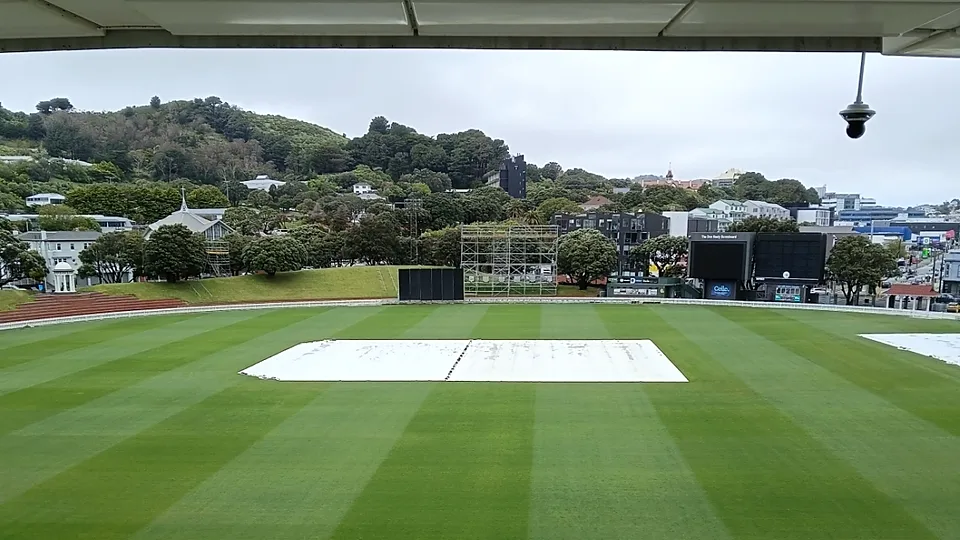
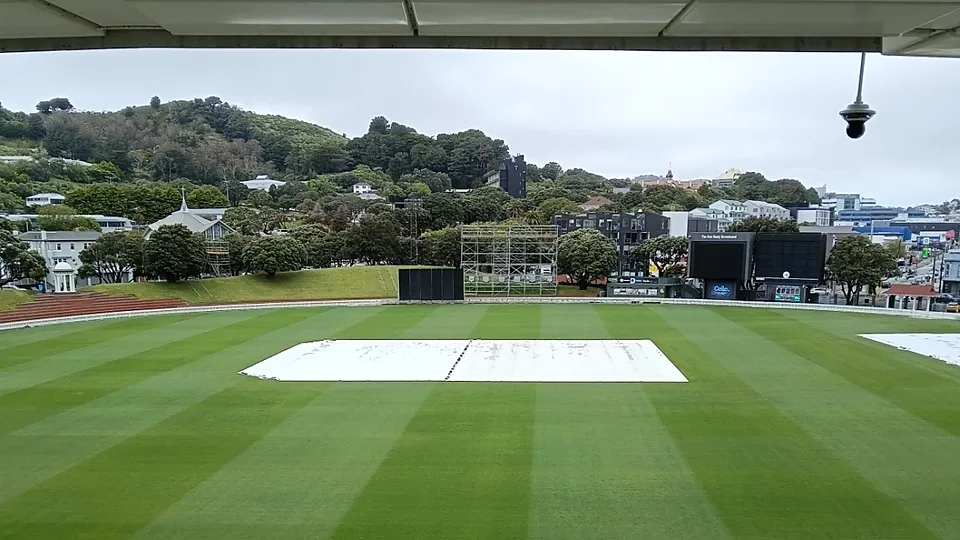
The toss slipped at 10:04 PM IST, rain clouds gathering over Wellington’s Basin Reserve. New Zealand’s skipper raised his finger, the umpire’s hand hovered, and the stadium lights flickered as the weather radar painted a dark line across the horizon. The second ODI is now a gamble of wickets and water‑logged overs.
Impact Player Gamble Before the First Ball
India’s board has already named an Impact Player – a move that would have sounded revolutionary a year ago, but feels almost routine now. The choice? All‑rounder Shivam Dube, a hard‑hitting left‑arm pacer with a knack for finishing innings. The rationale is simple: a rain‑shortened game rewards the ‘big‑hit, big‑over’ mindset. Yet the skeptics whisper that Dube’s skill set is better suited to the sub‑continental tracks than the seam‑friendly Wellington pitch.
Our scouting reports from the Hyderabad franchise circuit say the same. Dube’s average boundary‑percentage sits at 22 % on hard‑packed surfaces, but drops to 16 % when the outfield is slick. If the rain holds, the ground will turn into a skiddy hard‑length arena where every ball that rolls to the boundary is a gift. The Impact Player slot could become a liability if the umpires keep calling the match after the 30‑over mark.
Left‑Right Batting Pairs vs Wrist‑Spin: A Tactical Puzzle
New Zealand’s bowling attack is anchored by left‑arm wrist‑spinner Hamish Bennett, whose knuckling deliveries have already unsettled the top order in the first match. The Indian set‑up must decide whether to send a left‑hander like Ruturaj Gaikwad to nullify the turn or keep the right‑hand dominance of Shubman Gill. The left‑right pairing is a classic Indian tactic – it forces the spinner to constantly adjust his line, but it also risks a middle‑over collapse if the wicket‑keeper’s gloves are slow.
Our data from the Ranji grind shows that a left‑right opening stand yields a 6.8 % higher run‑rate against wrist‑spin on damp pitches. The catch? The combination only works when the boundary is short enough to allow the second striker to get into the groove. Wellington’s boundary dimensions are 70 m on the leg side and 68 m on the off side – slightly longer than most Indian grounds, which means every lofted stroke is a risk‑reward calculation.
Boundary Dimensions and the Dew Factor
Speaking of dimensions, the Basin Reserve’s perimeter has a quirky patch on the 22‑yard line where the fence dips just a metre. That spot has become a favorite for those who love to ‘scoop and score’. The dew factor after 8:30 PM IST will make the outfield slick, turning that dip into a sliding runway for sixes.
Our franchise analysts advise a door‑stopper like Hardik Pandya to target that zone in the death overs. The plan: hit a high‑arcing flick over the keeper, let the dew do the work, and watch the ball kiss the fence. If the rain resumes, the ball will stop dead, turning a six into a dot. It’s a high‑octane gamble, but the IPL auction house loves such volatility.
Pre‑Toss XI Dilemmas: Who Bats First?
The big question still sits on the toss: chase or set? New Zealand’s bowlers love a fresh, dry wicket. Their seamers have exploited the early‑morning moisture in the past, skidding the ball low and fast. India, on the other hand, thrives on a batting‑friendly surface that settles after a few overs. The weather forecast predicts a 40 % chance of rain before the 30‑over mark, which could truncate the innings and favour a chase.
From an auction strategist’s lens, the safest play is to elect the chase, because a rain‑shortened chase reduces the need for a massive total. The flip side is the mental pressure of a ‘must‑win’ scenario, which can expose the middle‑order’s fragility. If you’re betting on a safe online casino india upi while the rain drums on the roof, you’ll know the odds shift faster than a spinner’s arm.
- Impact Player: Shivam Dube – high‑risk, high‑reward.
- Opening Pair: Gaikwad (L) & Gill (R) – left‑right against wrist‑spin.
- Key Boundary: 70 m leg, 68 m off – target the 22‑yard dip.
- Decision: Likely chase if rain intervenes before 30 overs.
Contrary to the usual pre‑match chatter, I think the rain will actually aid India more than New Zealand. A shortened game means fewer overs for the Kiwi seam attack to settle, and more room for a pinch‑hitter to swing the momentum. The Impact Player slot, though, remains a wildcard – if Dube can unleash a six off a skiddy delivery, the match is theirs. If not, the rain will take the credit.
Bottom line: keep an eye on the sky, watch the boundary markers, and remember that every cricket fan now has a second screen – whether it’s a live scorecard or a safe online casino india upi platform. The game will be decided not just by runs, but by who can read the weather better.
Related coverage
- India A Tri-Series Squad Locks In Youth; UPI Safe Online Casino India Trends Rise
- UPU UPI Frenzy: How Safe Online Casino India UPI Is Eating Fintech Lunch

Updated 2026-11-07 · Instant Rupee Deposits & 60s Withdrawals · 24/7 Support.
Access Official ExtremeSafe Portal →Senior Features & Tournament Writer · Hyderabad Desk
Shruti Reddy reports on franchise leagues, the WPL, and domestic Indian tournaments for ExtremeSafe. Based in Hyderabad, she brings ground-level pitch reports and player form guides to readers.
Reader Discussion & Match Reactions (6)4.7★ Community (6 Comments)
Verified Indian cricket reader perspectives & tactical debate on extremesanitizer.mx
Selectors naming Dube as the Impact Player before knowing how many overs survive feels like the usual selection-room backslapping. On a seaming Basin Reserve track his boundary rate collapses to 16%, yet a reserve seamer warming the bench got ignored again.
Everyone obsesses over Dube (and that's fair), but the piece itself admits its data comes from the Hyderabad franchise circuit. Ranji and SMAT boys who brave slick outfields never get this profiling. Would Harsh Verma's desk even name the scout behind those boundary percentages?
That Dube boundary stat — 22% on hard decks falling to 16% on slick outfields — is a 27% relative dip, but over how many innings? And a toss logged at 10:04 PM IST with radar already dark means DLS par chasing gets brutal past the 30-over mark. Sample size before panic, please.
Since when does an ODI even carry an Impact Player? The article treats it as routine, but this IPL gimmick has no place in a bilateral 50-over match, and hyping a 2-0 lead before a ball with Basin Reserve's radar pitch-black is pure theatre. Bennett's wrist-spin is the only genuine threat worth discussing.
Notable that the only scouting quoted is from the Hyderabad circuit — no word on seam-friendly tracks up in the Northeast, where our boys face wrist-spin on wet turf every season. Hamish Bennett's knuckling left-arm stuff is exactly what Guwahati academy bowlers should study. Grassroots deserves one line in these reports too.
@Rajesh_Bhatia the article itself backs your worry — it calls the slot a liability if umpires only get play going past the 30-over mark, where Dube's slick-outfield boundary rate sits at 16%. Losing overs to a water-logged square would've made a fifth seamer the smarter pick than Dube's finishing.
Join the Discussion (6 Reader Comments)
Related Articles
See All
Openers, Mahedi and Rishad help Bangladesh keep series alive
Jul 18, 2026