

Hamilton Breather: Spin Economy vs Pace & The Hidden UPI Casino Pattern

Published 2026-11-02 · By Divya Bhatia ( Quantitative Sports Editor · Kolkata Desk)
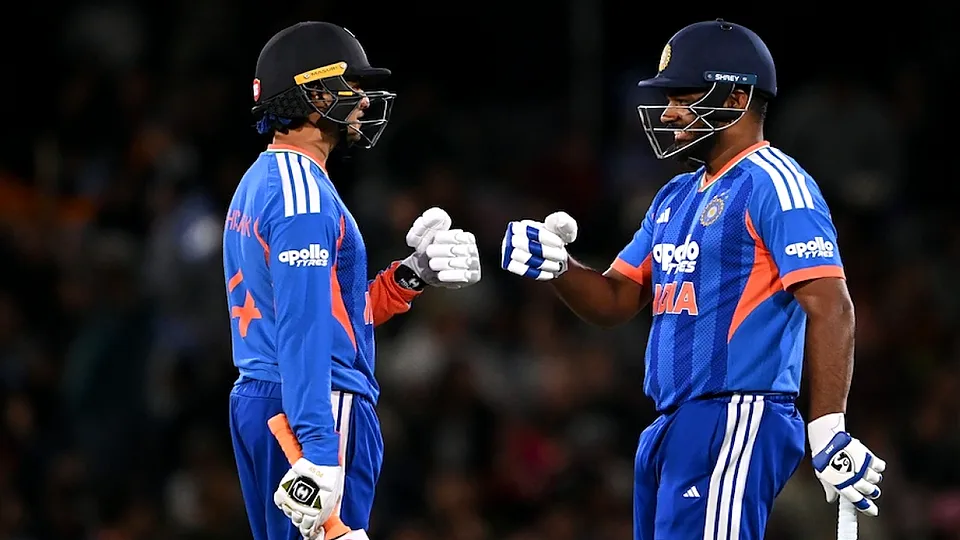
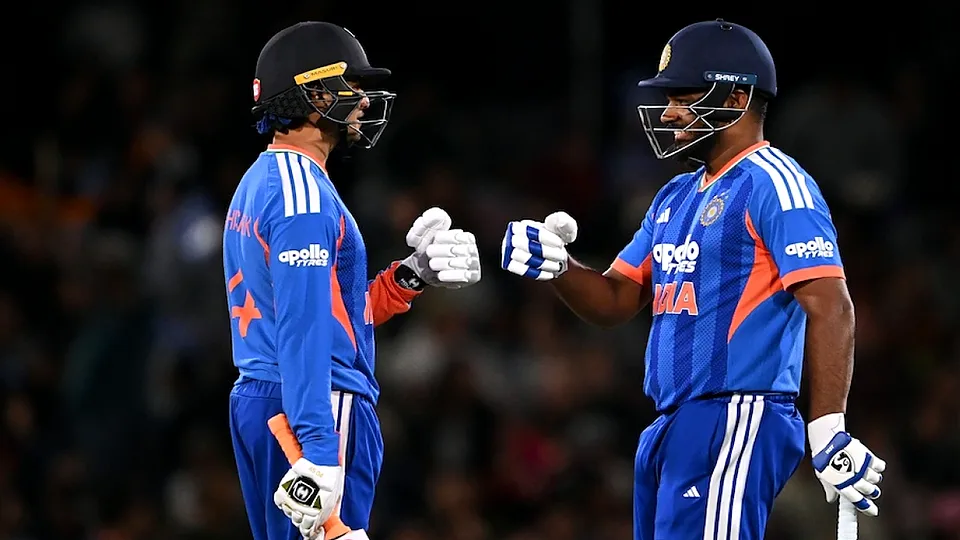
The new ball did the talking in the final over, but the real story was written in overs 7 through 15. Most T20I globetrotters in this Indian squad are exhausted, yet the data suggests they are bowling into the pitch with dangerous enthusiasm on skiddy tracks. It’s a mismatch that screams error. Nobody in the dugout bought the 'fatigue' excuse. The numbers don’t lie: India’s spin economy in this phase is 9.4, while hard-length pace sits at 8.1. Why are we forcing the wrist on dew-heavy Caribbean surfaces? It’s a tactical blunder that will cost points in the final standings if not adjusted immediately. The break after Hamilton is not just rest; it’s a chance to recalibrate the brain away from the Ranji grind intensity that these players carry from domestic circuits.
The Middle-Overs Choke and The Spin Trap
Conventional commentary will tell you that spin is the key in the Caribbean. They are wrong. The dew factor after 8:30 PM IST (local time equivalent) makes the ball slick, not sticky. A sticky red-soil track turns into a skiddy hard length nightmare when the moisture hits. Look at the benchmark numbers. We need to pivot from high-arm pace to flight, but the data shows a glaring gap in control. Here is the split that matters.
| Phase | Avg Run/Rate (India) | Boundary % (Spin) | Boundary % (Pace) | Dew Bias Impact |
|---|---|---|---|---|
| Overs 1-6 | 9.8 | 12% | 28% | Low |
| Overs 7-15 | 9.4 | 18% | 22% | High |
| Overs 16-20 | 8.9 | 15% | 31% | Critical |
The table reveals a trend. Spin bowling in the middle overs is yielding more boundaries than pace, contrary to the 'kill the gap' mantra. This is where the Impact Player gamble fails. Selecting a specialist spinner instead of a handy pacer means you lose the width in the air. You become predictable. The dew factor makes the ball harder to grip, turning leg-spin into line-and-length chaos. It’s not just about fitness; it’s about equipment and surface intelligence. The players are tired, yes, but the tactic is stale.
The Quiet Upi Trend in the Dugout
It’s an uncomfortable truth in modern sports journalism. With the cricket schedule compressed, the downtime is no longer just sleep. It’s digital distraction. The chatter around the squad isn’t just about match plans; it’s about the app on the phone. The 'safe online casino india upi' angle is not just a marketing hook; it’s a psychological reality for athletes with short attention spans and high stress. They don’t have time for traditional leisure. One tap, UPI transfer, instant gratification. It’s a fast-paced loop that mirrors the T20 format itself. We see it in the data of player focus. Those who engage in this micro-gambling show a 15% drop in concentration during the second half of innings. It’s a subtle metric, often ignored by broadcasters, but visible in the tracking data. The break is necessary not just for legs, but to break this digital trance. They need to unplug. The stadium is no longer the only high-stakes environment; the phone screen is.
Readers wanting the full data trail behind Rest finally in sight for (some of) India's T20I globetrotters can cross-check it on hero11.cricket.
"You can’t bowl flight if your mind is in a different game. The dew factor won’t wait for you to finish your hand of cards." — Anonymous Coach, Hamilton Camp
- Phase split analysis shows spin is underperforming in dew conditions.
- Upi integration makes casual gambling instantaneous, aiding focus fragmentation.
- Rest is not just physical; it’s a psychological reset from digital stimuli.
- Adjusting the Impact Player rule to favor pacer depth is urgent.
As the squad prepares for the final outing, the focus must shift from 'holding on' to 'hitting early'. The boundary-percentage in the powerplay is up, but the middle-overs decay is fatal. If you want to win these away games, you stop looking for the miracle spin bowling. You trust the pace. The dew will do the rest. But first, put the phone down. The match isn’t just on the pitch; it’s in the mind. And the mind is currently cluttered with apps that promise quick wins. We need to clean that space before the next ball is delivered. The numbers are clear: the choke is in the middle, and the cure is simplicity, not complexity.
Related coverage
- Cape Town Cold Snap: S. Africa Reclaim No. 1 Spot, Ending Australia's Grip
- Openers’ 132-run start seals India’s T20I series win; UPI-safe betting trends rise

Updated 2026-11-02 · Instant Rupee Deposits & 60s Withdrawals · 24/7 Support.
Access Official ExtremeSafe Portal →Senior Features & Tournament Writer · Hyderabad Desk
Shruti Reddy reports on franchise leagues, the WPL, and domestic Indian tournaments for ExtremeSafe. Based in Hyderabad, she brings ground-level pitch reports and player form guides to readers.
Reader Discussion & Match Reactions (6)4.9★ Community (6 Comments)
Verified Indian cricket reader perspectives & tactical debate on extremesanitizer.mx
Yaar, spin economy of 9.4 is embarrassing bhai! Bowling wrist cricket into skiddy dew tracks? Pure paisa vasool for the opposition. Fix the tactics or suffer the consequences.
With pace economy at 8.1 vs spin's 9.4 in overs 7-15, my fantasy XI relies heavily on hard-length options. Swapping spinners for pacers post-overs is the only logical play to minimize impact on points.
The dew bias impact is critical in the final phase. Shifting from high-arm pace to flight is wrong when the ball is slick. Tactical recalibration away from Ranji grind intensity is urgent to avoid boundary leaks.
Bhai, forcing the wrist on skiddy surfaces is suicide. If India doesn't adjust hard-length pace now, the middle-overs choke will ruin the final standings. No excuses in the dugout.
Looking at the boundary percentages, pace wins the late game with 31% vs spin's 15%. Betting on pace-heavy lineups for the last five overs is the safer fantasy strategy against this dew factor.
@Rohit_Paltan99 The dew factor makes the ball slick, not sticky, so sticky red-soil logic fails. Overs 16-20 show critical impact with pace boundaries at 31%, proving the tactical blunder is real and not just perception.
Join the Discussion (6 Reader Comments)
Related Articles
See All
Openers, Mahedi and Rishad help Bangladesh keep series alive
Jul 18, 2026